Hooked! A Fish Lost In The Sea of Disparity
You Are Not Alone
You are not alone.
We all enter this world with the same inherent human worth. Yet from the moment we are born, our lives begin to diverge. Some of us are born into circumstances that place us at an immediate disadvantage. Some are born into communities that have historically faced discrimination and underrepresentation. Others grow up in families struggling with poverty, mental illness, alcoholism, substance use disorders, or cycles of violence and abuse.
Others are born into wealth and privilege, only to discover that success can bring its own pressures, expectations, and emotional burdens. Some of us begin life with chronic illnesses or physical, intellectual, developmental, or mental health conditions that affect our growth, education, relationships, and opportunities.
None of us chooses the circumstances into which we are born.
Many of us have endured unimaginable suffering because of those circumstances. Some have survived child abuse, child sexual abuse, domestic violence, sexual assault, emotional trauma, neglect, or life-altering injuries. Others eventually find themselves relying on alcohol or drugs—whether prescription or illicit—in an attempt to numb emotional pain, silence traumatic memories, regain a sense of control, or simply escape, if only for a moment.
But surviving trauma does not mean your story ends there.
One of the most important steps in healing is recognizing that although you may have been victimized, you do not have to remain defined by what was done to you. Acknowledging that you were a victim is not a sign of weakness. It is an act of honesty. Choosing to see yourself as a survivor is an act of strength.
Healing is rarely easy. Trauma can leave lasting emotional, physical, and psychological effects, including depression, anxiety, post-traumatic stress, social isolation, eating disorders, substance use disorders, and financial hardship.
I know this because I have lived with many of those consequences myself. I have struggled with fainting, involuntary vomiting, migraines, nightmares, and post-traumatic stress resulting from crimes committed against me before I was old enough to read, drive, or work.
Recovery is not about pretending the past never happened. It is about refusing to allow the past to define the rest of your life.
For many survivors of childhood abuse, one of the greatest challenges is recognizing patterns that can place them at risk of being harmed again. Research has shown that childhood trauma can increase vulnerability to future interpersonal violence, making awareness, support, and healing critically important. Breaking those cycles begins with understanding them—not blaming ourselves for them.
Every survivor deserves safety, respect, and the opportunity to heal.
Stop seeing yourself only as a victim. Begin recognizing yourself as a survivor.
Healing begins when we stop waiting for the memories to disappear and instead learn how to live alongside them without allowing them to control us. The past cannot be erased, but it can be faced. The wounds may always remain a part of us, but they do not have to determine who we become.
Life is not fair. Terrible things happen that should never happen. Accepting that reality does not excuse those who caused the harm. Instead, it frees us to focus our energy on what we can control: our own healing, our own growth, and the choices we make moving forward.
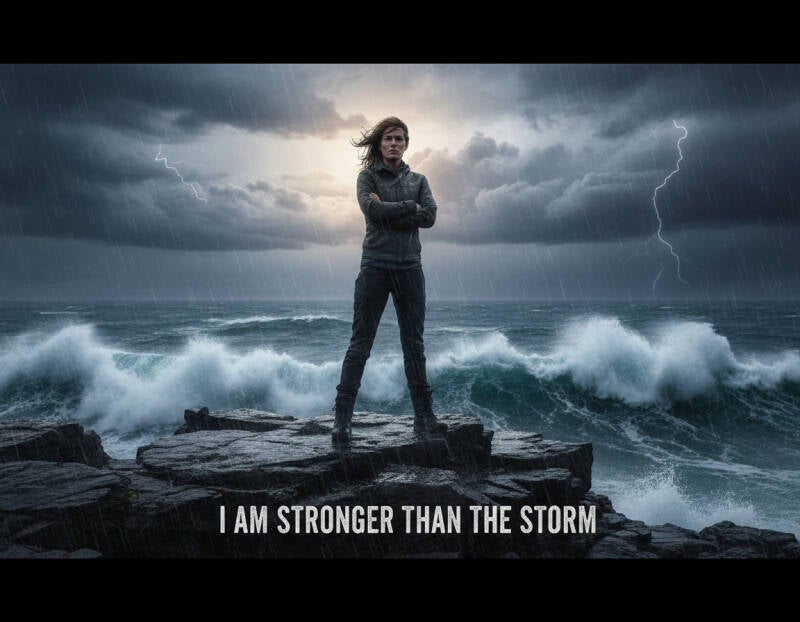
You may not realize it yet, but if you are still here—still breathing, still fighting, still searching for hope—you are already a survivor.
Many people turn to alcohol or drugs believing they will numb the pain, erase the memories, provide confidence, help them sleep, or make life more manageable. Sometimes they seem to help, but only temporarily. Ultimately, they cannot undo trauma, and they often create new hardships alongside the old ones.
Your life has value.
Your voice matters.
Your experiences matter.
The world needs survivors who are willing to speak their truth, support one another, and help expose violence, abuse, and injustice wherever they occur.
There is no escape from what happened, but there is a path forward. Healing comes through truth, support, accountability, courage, and time. The closer we move toward accepting our reality, the more freedom we gain from allowing it to define us.
You are not alone.
Across the world, countless women struggle with trauma, addiction, violence, and the long-term effects of abuse. Recovery is possible, but it often begins with one difficult decision: choosing to fight for your own life.
If you love yourself—or simply hope that one day you will—the time to begin is now.
Reach out for help. Seek treatment if you need it. Lean on people who genuinely support your healing. Stand up, one step at a time, even if you have to do it more than once.
I know what it feels like to survive horrific violence at a very young age. I also know that surviving is only the beginning. Living is the next challenge.
When you find the strength to stand again, as I eventually did, consider sharing your story. Your voice may become the hope someone else desperately needs.
If you would like to share your experience anonymously, send your story with the subject line:
"Hooked! A Fish Lost in the Sea of Disparity!"
Email: damselsunited@gmail.com
Together, by speaking the truth and refusing to remain silent, we can help break the cycles of violence, shame, and isolation—and remind every survivor that they are never truly alone.